

Kazichene Royal Station
The Kazichene Royal Station is located just outside Sofia, Bulgaria, in the village of Kazichene, close to the Kazichene station, and directly between two railway tracks. It is also called ‘Tsar’s Station’ and was part of buildings that the new Tsars (1906-1948) built themselves while they were in power. These included many palaces, villas, retreats, and other structures that showed off their power and let them enjoy what the quickly growing country had to offer.
The station witnessed some important events in Bulgarian history. On the 3rd of October 1918, the day of his abdication, King Ferdinand (1887-1918) arrived at Kazichene and boarded the train that took him away from the country he had ruled, never to return. On September 16, 1946, a few days after a now-disputed referendum called Bulgaria a ‘people’s republic’, his grandson, the eight-year-old King Simeon II (1943–1946), did the same.
Locals once called it the Royal Station, but today this abandoned train station in western Bulgaria stands as perhaps the only publicly accessible relic of the former Bulgarian royal family. The station’s growing disrepair serves as a symbol of the decline of its previous owners.
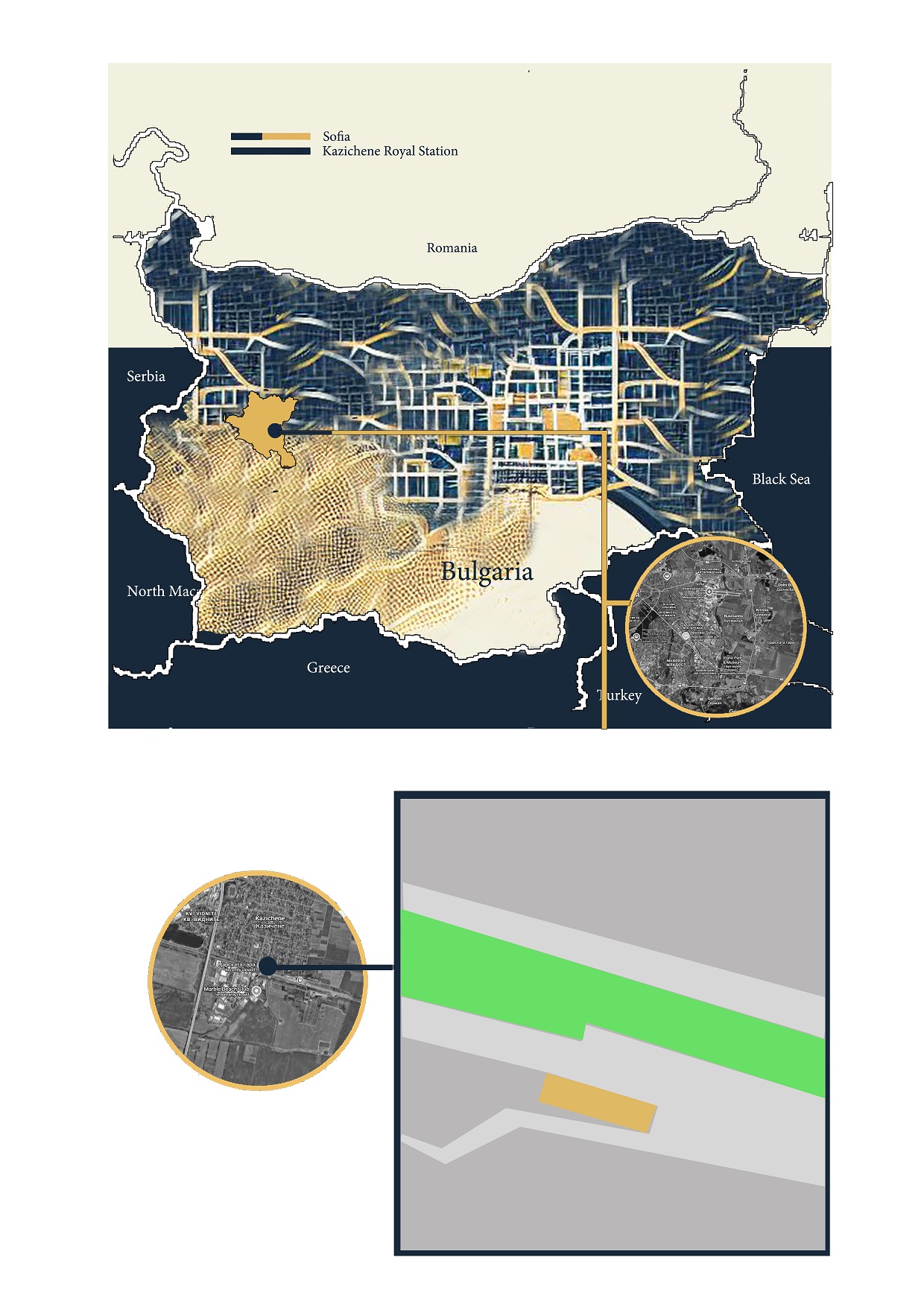
Site Location
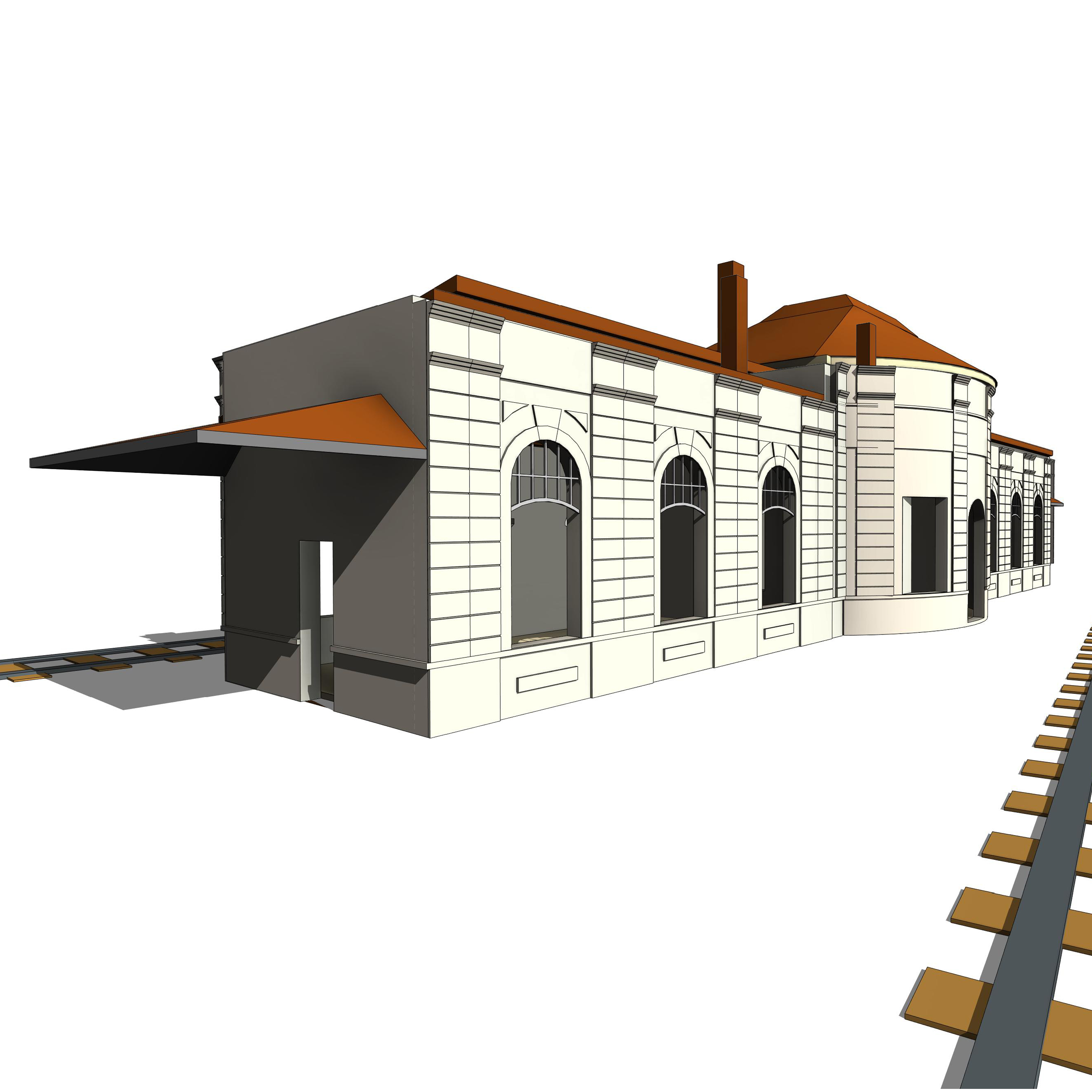
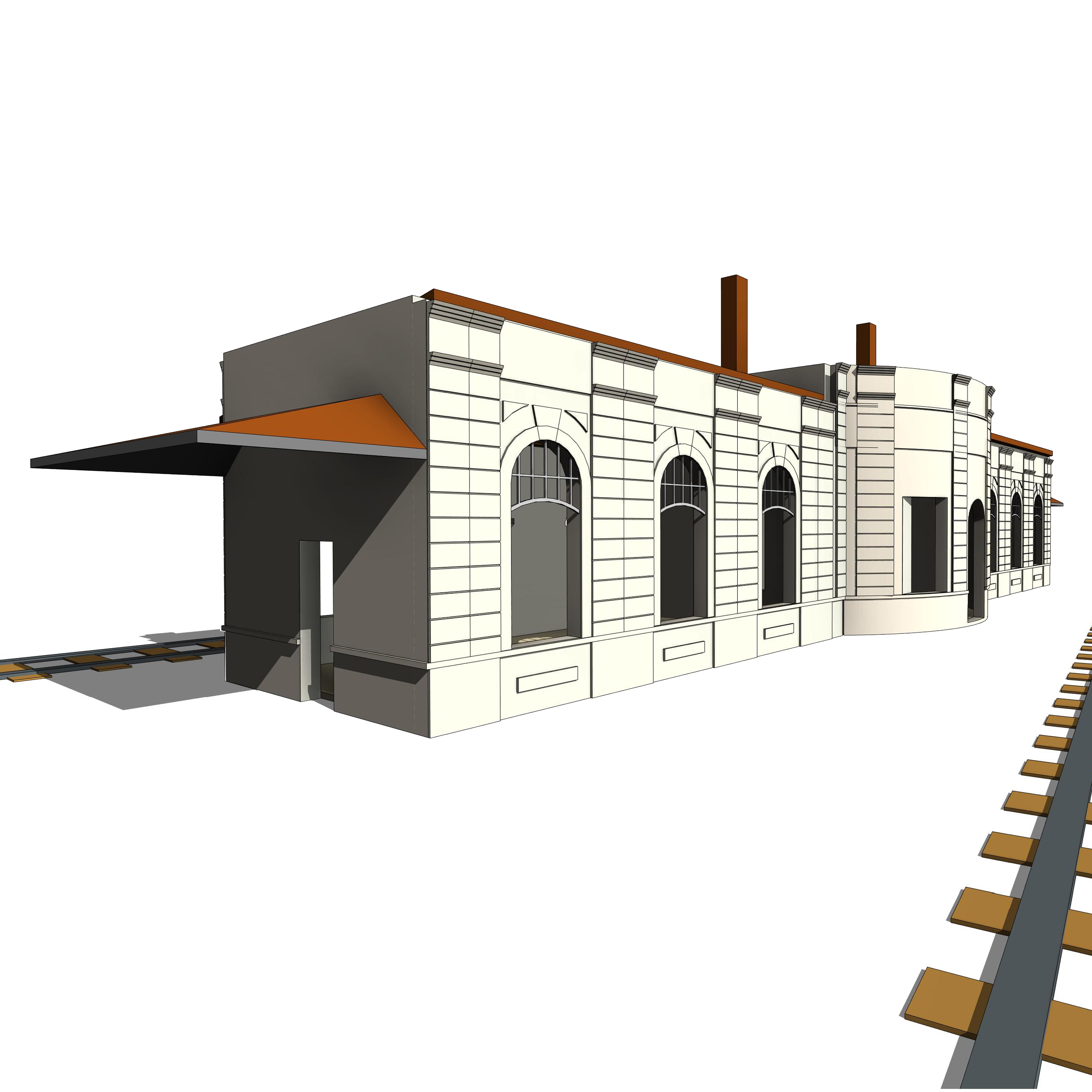
Then
The Kazichene Royal Station was built between 1906 and 1911 by King Ferdinand of Bulgaria. Few years later, King Boris III expanded it by adding side wings in a refined Viennese architectural style (neo-Baroque). The king wanted to bring this architectural style to Bulgaria’s royal infrastructure to make it more European style. The station’s main purpose was to be the private entrance for the royal family and their important guests coming from all over Europe. The location was selected strategically, and the station could connect directly to Vrana Palace, which was the royal residence nearby. On one side, special trains brought the royal family and important guests from all over Europe. On the other, a small-gauge private railway took the family and guests to the palace southwest of the city in less than ten minutes.
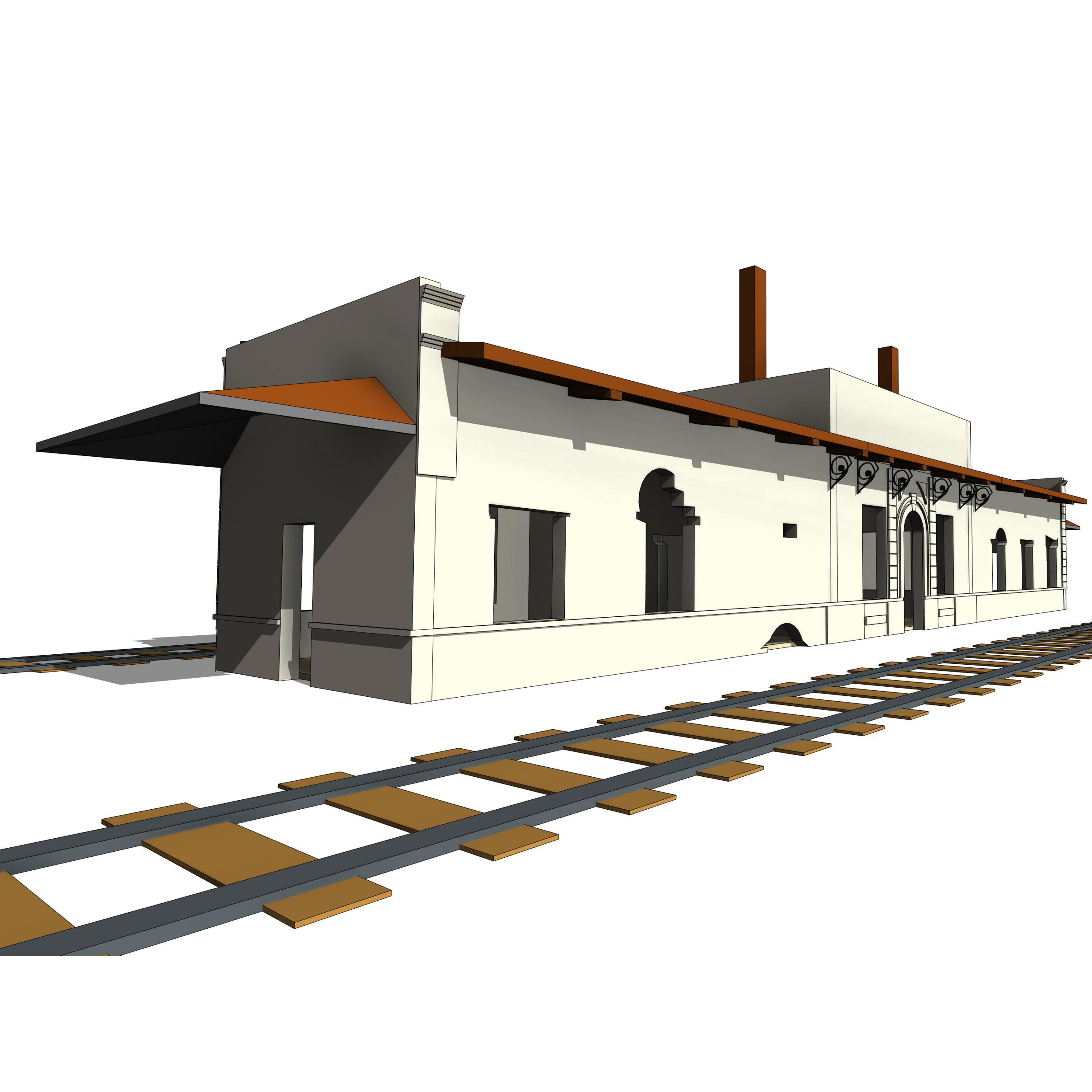
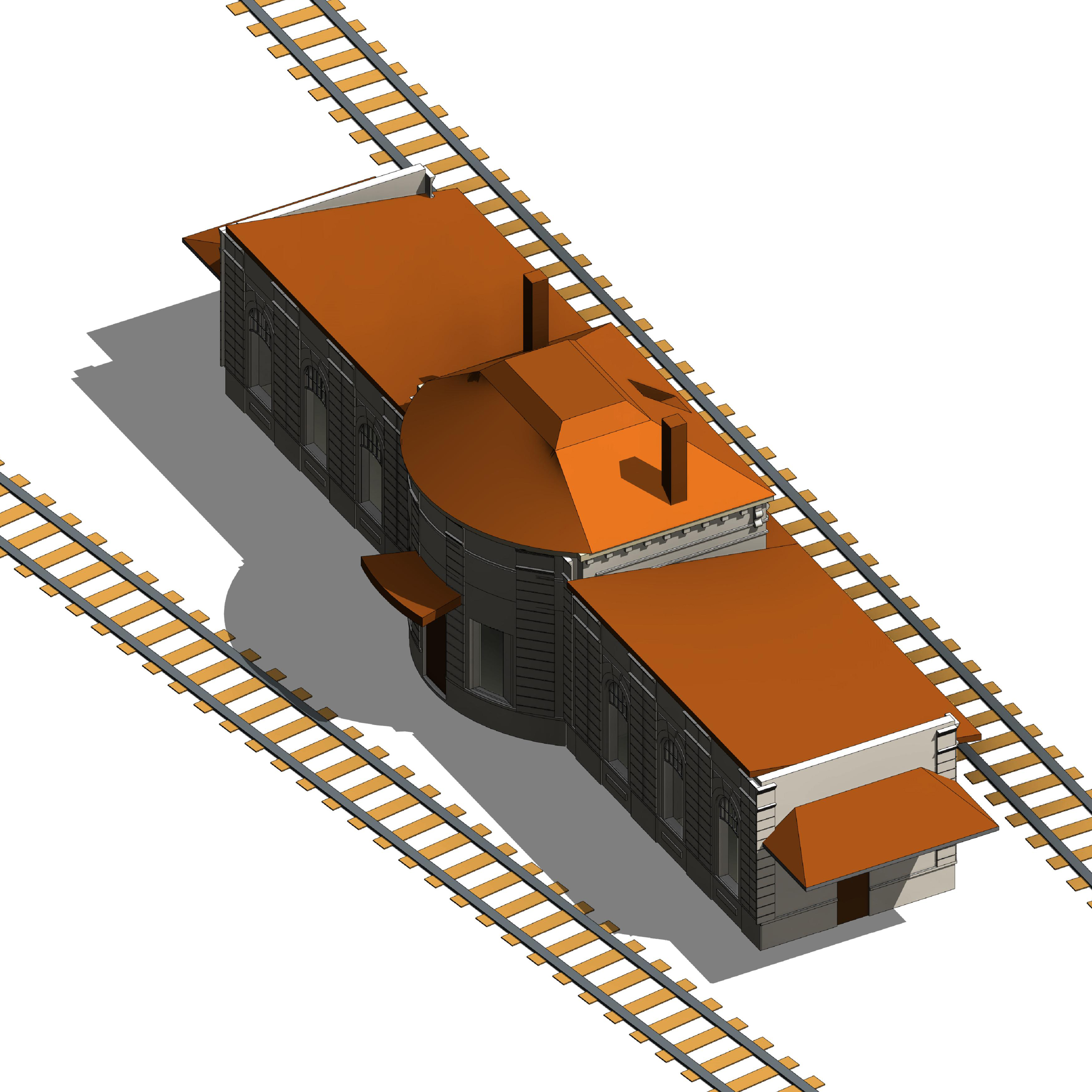
This small yet beautiful building had a lobby lounge in the middle with two symmetrical side wings with functional rooms, arched windows and rich facade ornamentations. The lobby lounge had a higher ceiling than the side wings, which created a grand entrance. The side wings comprised service rooms and waiting areas. Large arched windows and doors allowed ample light inside. Brick masonry was used to build the structure, and the surfaces were covered with plaster. The building had rich facade ornamentations and decorations such as stucco, pilasters, and cornices. A canopy extended outward from the middle part emphasised the centrality of the main entrance.
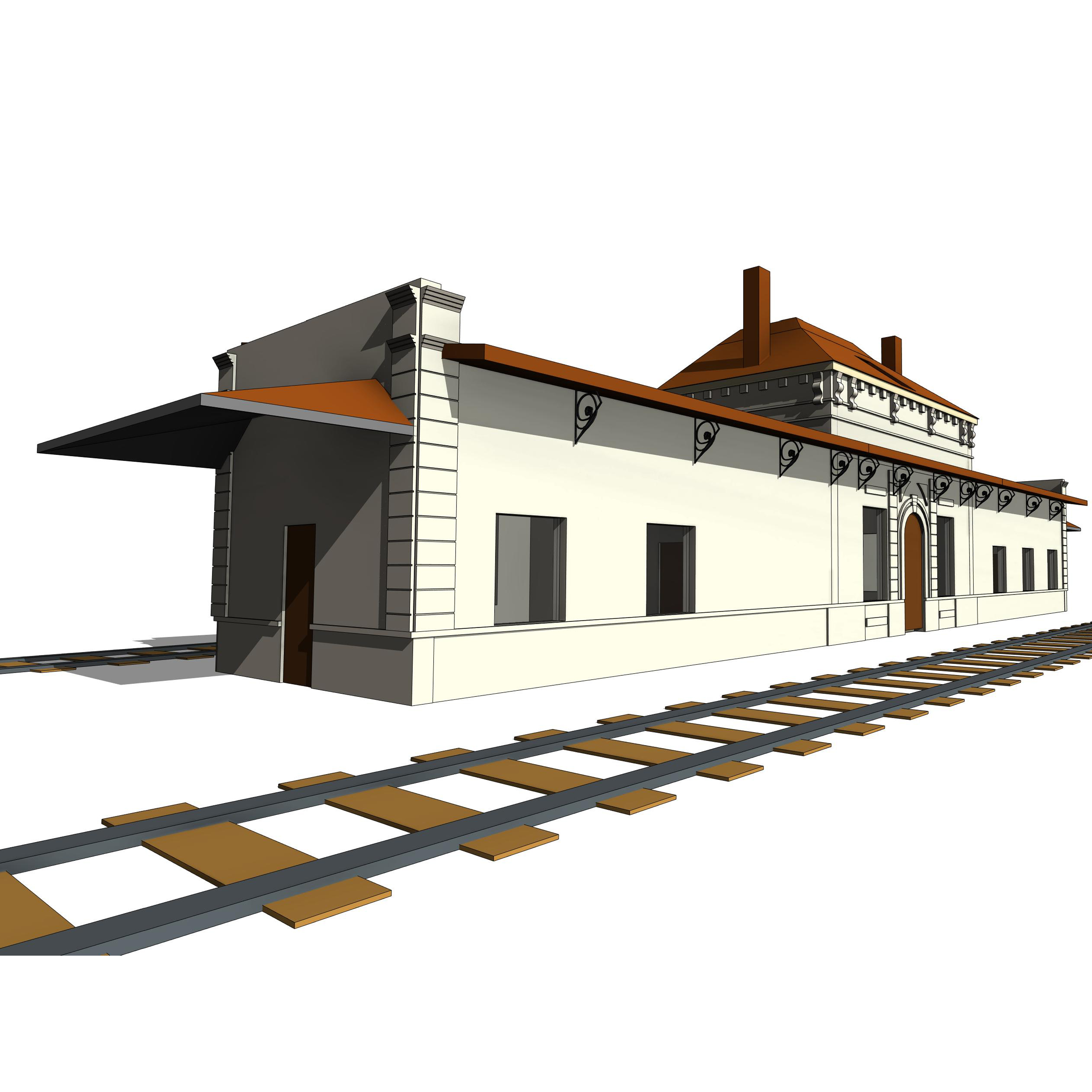
Now
The Soviet-backed coup in 1944 abruptly ended the station’s function by dissolving Bulgaria’s monarchy. The state forced the royal family out of the country and seized their properties, including the Vrana Palace and Kazichene Station. The royal insignia was taken off the station, and it was slowly left behind. Consequently, the building gradually fell into disrepair as it was not used or maintained anymore.
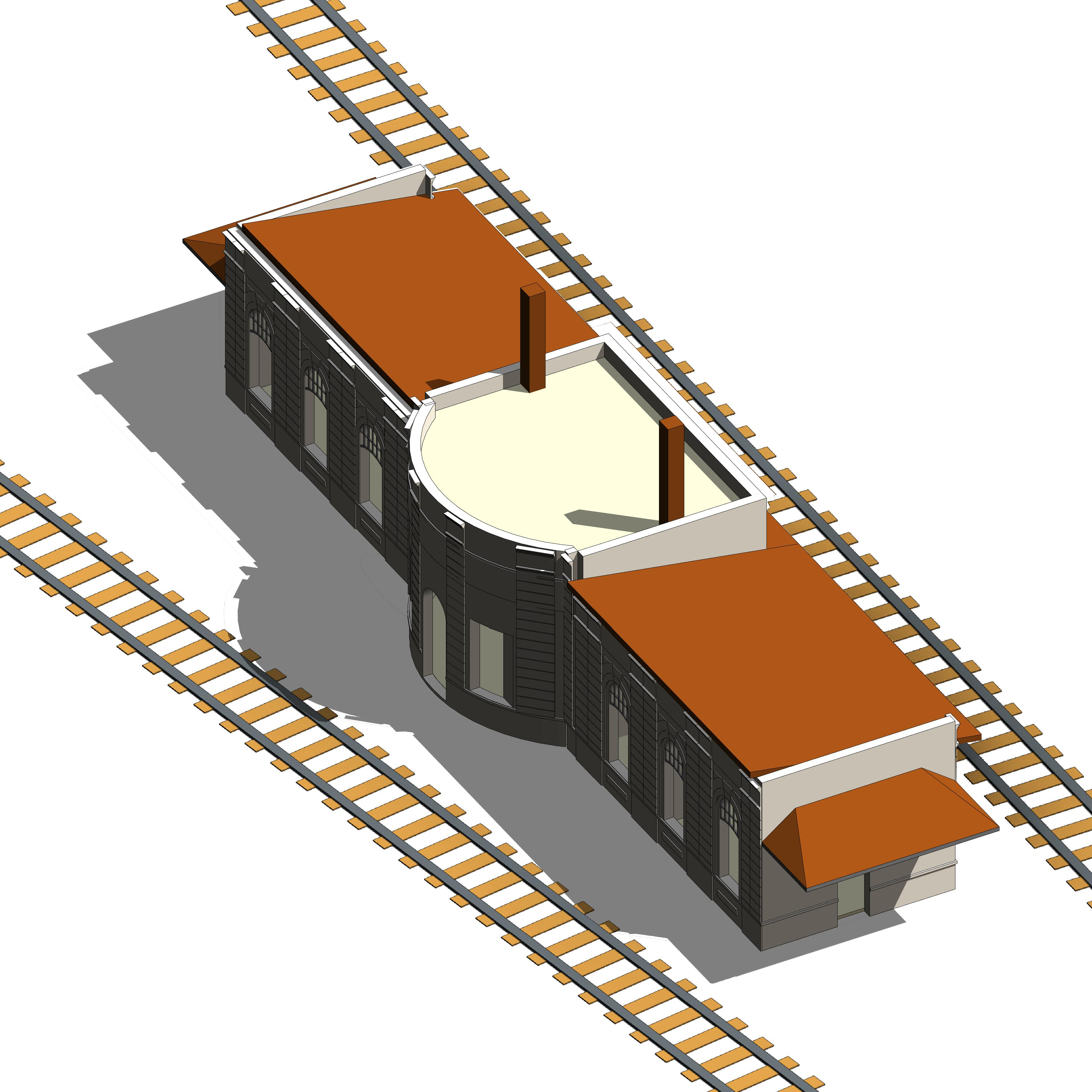
Following a few attempts to demolish it, in 2009 the building was finally declared an immovable cultural value, at the initiative of the mayor of Kazichene. Despite its status, at the time of our digital modelling (winter 2026), the building continues to fall apart, with many of its most important parts either destroyed or badly damaged. The main roof in the middle part has partially fallen, leaving only pieces of its original shape. The roofs of the side wings, on the other hand, have had their tiles removed and are now open to the weather. Most of the stucco decoration has worn away, and the decorative details that used to impart the façade its Viennese character are difficult to see. The windows and doors are long gone, leaving spaces that show the skeletal structure. The building has been stripped of all its furniture, finishes, and royal insignia, and plants have taken over the broken floors. Even the private railway connection to Vrana Palace has vanished, dismantled after the monarchy’s fall, with only faint traces of its track bed surviving.
Although the Kazichene Royal Station stands as a powerful memorial to Bulgaria’s royal past, it remains in ruins, freely accessible but unprotected. This is unlike the Vrana Palace, which has been restored and opened to the public. The station has historical and architectural values, presenting a unique mix of European architectural styles and the history of the Bulgarian royal family beyond palaces.
Project challenges and reflection
Its current state of despair prompts broader questions about criteria for conservation, potentials of reuse, the importance of documentation, and the usefulness of symbolic ruins in modern urban planning. For example, if and how this building can connect Bulgaria’s royal past with its current socio-political identity.
The station is a strong reminder of how radical political changes can also change a country’s not only governance but architecture, and criteria and priorities for the maintenance of the properties belonging to the former.
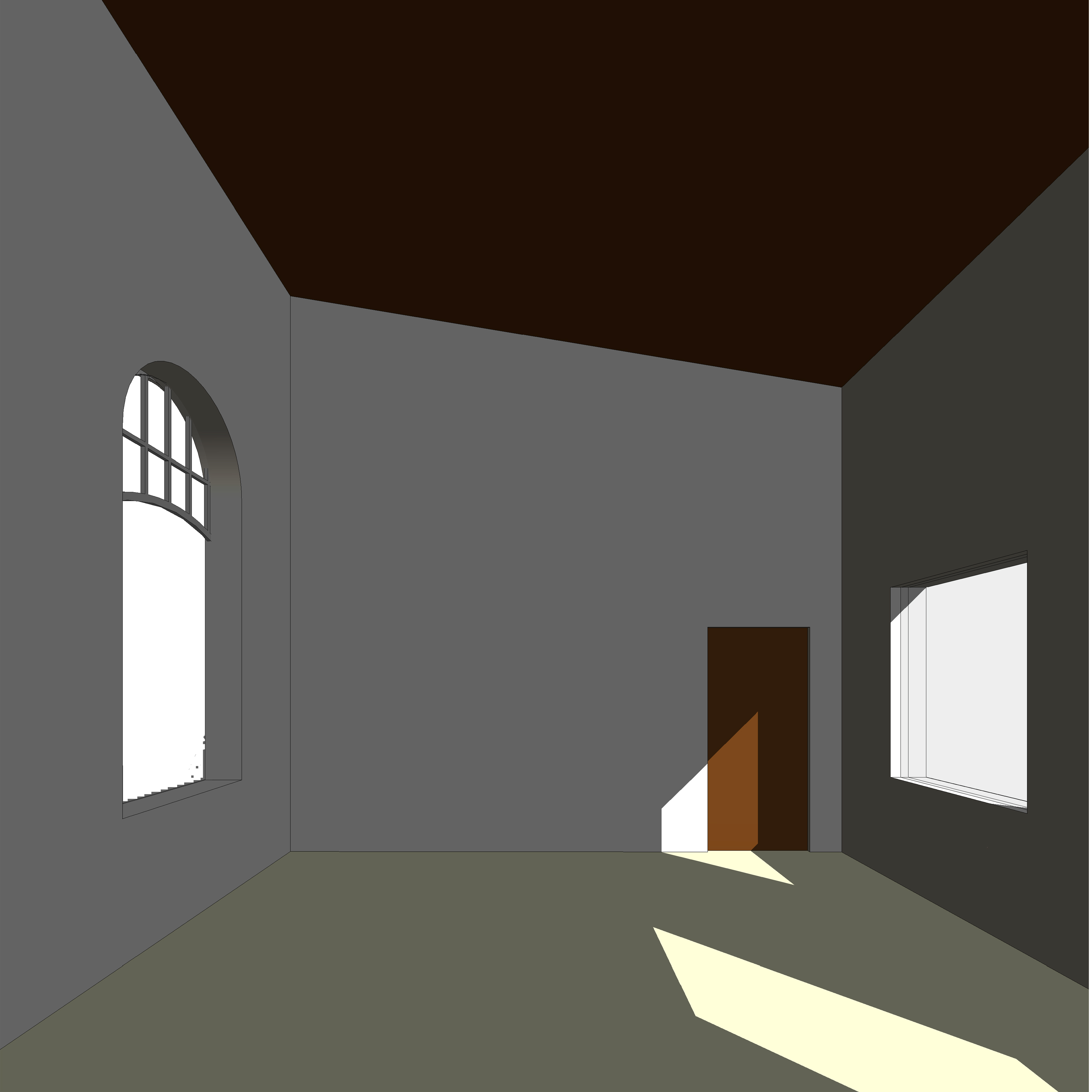
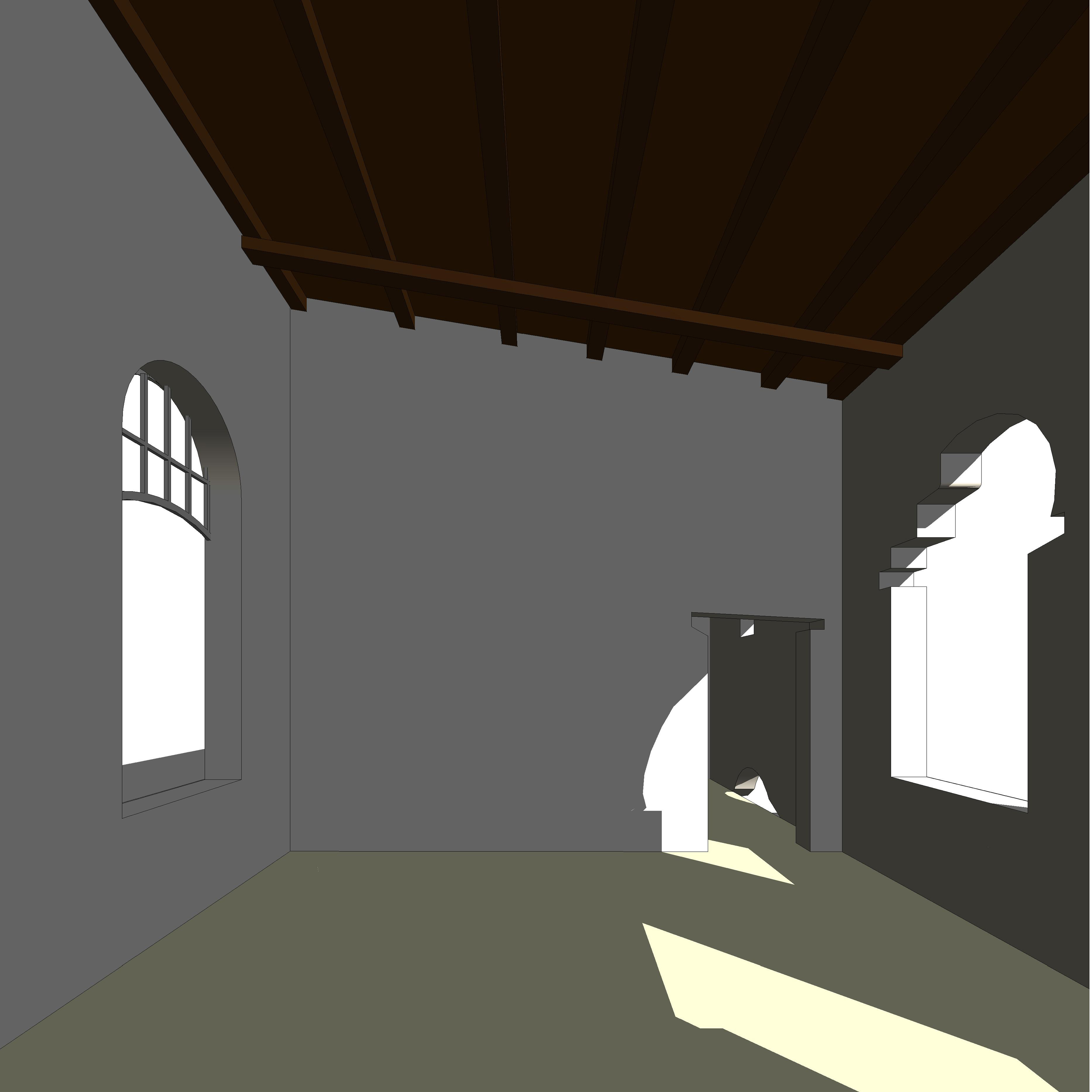
In studying and modelling of the Kazichene Royal Station we faced significant challenges, rooted in the lack of reliable documentation of the building and the fragmented nature of its historical record. Especially, there were not sufficient archival drawings nor photographs to show the original status of the middle roof for modelling the “Then” of this part of the station. Our research shows that the middle roof was originally pitched and gabled, but its exact geometry remains uncertain due to collapse and missing records. To address this, we sought oral histories and local knowledge through our social media channels, nevertheless the issue of insufficient data prevailed. As a practical solution, the team used the Central railway station of Burgas as a reference to model the roof of the central part. We welcome any clarifying information and comment from our community.
This case has been published in January 2026.
References
- Dimana Trankova, 16/03/2026, BULGARIA’S REMARKABLE RAILWAY STATIONS, Vagabond, last accessed 06/01/2026 https://vagabond.bg/bulgarias-remarkable-railway-stations-1732
- Get in Group, 21 Feb 2024, Royal Station Kazichene, Atlas Obscura Website, Last accessed 06/01/2026 https://www.atlasobscura.com/places/royal-train-station-kazichene-bulgaria
- Kazichene Royal Station, About Sofia, last accessed 06/01/2026 Kazichene Royal Station – About Sofia
- Kirova, D., 2019, Protection Of The Immovable Industrial Cultural Heritage In Bulgaria. Международна Научна Конференция Бани’2019 International Scientific Conference Basa’2019
The images and architectural modelling shown here are for illustration purposes only and may not be an exact representation of the property. Silk Cities is not liable for subsequent updates, errors, or omissions of data or any updates on the conservation of the property afterwards.